
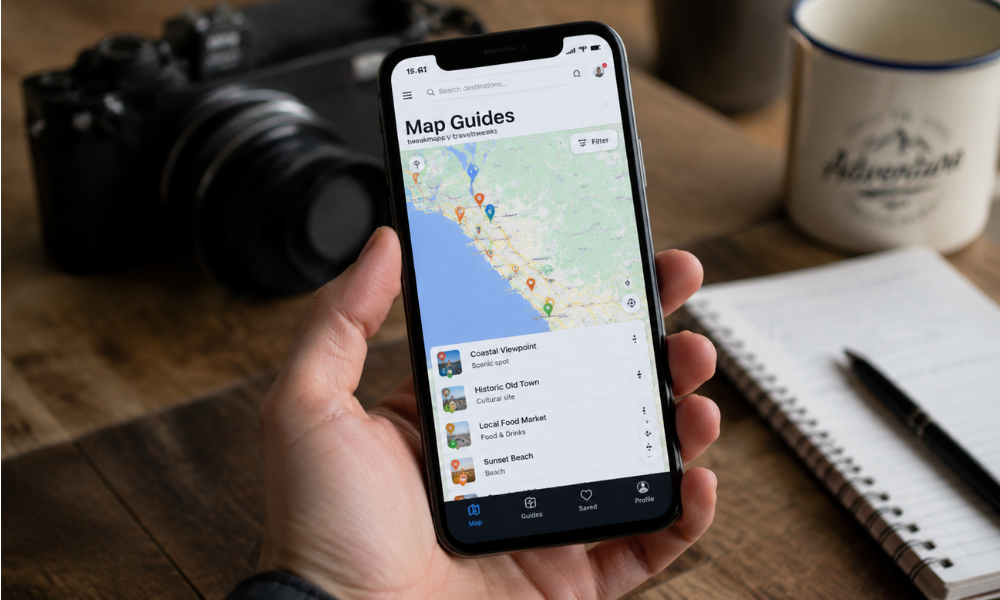

Planning a trip often starts with a simple question: where should you go, and how can you make the most of your time? A good travel plan requires more than a list of attractions. Travelers need organized routes, useful location information, flexible schedules, and a clear understanding of how different destinations connect.
Map guides TtweakMaps by TravelTweaks focus on improving the way travelers organize journeys through interactive maps, customized routes, and location-based planning. Instead of relying only on traditional navigation, travelers can create more personalized travel experiences by arranging destinations, reviewing routes, and managing important places in one organized map environment.
For a weekend city break, a family vacation, or a long road trip, digital travel maps can simplify decision-making. They help travelers visualize distances, group nearby attractions, and build an itinerary that matches their interests.
What Is TtweakMaps by TravelTweaks?
TtweakMaps by TravelTweaks is a digital travel mapping approach designed to help users create customized maps, organize destinations, and plan travel routes more efficiently.
Unlike basic map applications that mainly focus on navigation from one point to another, travel-focused map guides allow users to think about the complete journey. Travelers can organize attractions, restaurants, accommodation locations, activities, and routes according to their personal preferences.
A customized travel map can include:
- Selected tourist attractions
- Recommended restaurants
- Hotels and accommodation points
- Transportation options
- Daily travel routes
- Important locations
- Notes and planning information
For example, someone planning a seven-day European trip can create separate map layers for museums, restaurants, historical locations, shopping areas, and day-trip destinations. This makes it easier to understand how each activity fits into the overall itinerary.
The main purpose of map guides is organization. Instead of saving random locations across different apps or notes, travelers can bring important information together into a visual travel plan.
How TtweakMaps Works for Travel Planning
The basic idea behind TtweakMaps is simple: create a personalized digital map that reflects your travel goals.
A typical workflow involves several steps.
1. Choose Your Destination
The first step is selecting the location you want to explore. This could be a single city, a country, or a complete travel route.
Examples:
- A five-day Paris itinerary
- A coastal road trip
- A hiking adventure
- A family vacation across multiple destinations
Once the destination is selected, travelers can begin adding relevant places.
2. Add Important Locations
Travelers can organize locations based on their interests.
Common categories include:
| Map Category | Examples |
| Attractions | Museums, landmarks, viewpoints |
| Food | Restaurants, cafes, local markets |
| Accommodation | Hotels, guesthouses |
| Activities | Tours, hiking trails, entertainment |
| Transport | Stations, airports, parking areas |
This structure makes the map easier to understand because every location has a purpose.
3. Customize Routes and Map Layers
One of the most useful concepts in interactive maps is customization.
Map layers allow travelers to separate different types of information. A traveler might create:
- A food layer for local dining spots
- A sightseeing layer for attractions
- A transport layer for stations and routes
- A shopping layer for markets and stores
For a road trip, separate layers can help identify overnight stops, fuel stations, scenic locations, and alternative routes.
4. Review and Adjust the Travel Plan
A travel itinerary rarely stays exactly the same. Weather changes, opening hours, personal preferences, and travel time can affect plans.
Interactive travel maps make adjustments easier because users can:
- Move destinations
- Remove unnecessary stops
- Add new recommendations
- Rearrange daily routes
This flexibility is especially useful for longer trips where planning every detail in advance can become complicated.
Key Features of TtweakMaps for Travelers
1. Custom Map Layers
Custom layers are one of the most valuable features for organized travel planning.
Instead of viewing every saved location together, users can separate information into meaningful groups.
For example:
A solo traveler visiting Tokyo might create:
- Food discoveries
- Anime and cultural locations
- Shopping areas
- Train stations
- Budget-friendly attractions
This reduces confusion and makes navigation more practical.
2. Interactive Travel Maps
Interactive maps provide a visual overview of a journey.
A traditional itinerary may look like a long list:
Day 1:
- Museum
- Restaurant
- Park
- Hotel
An interactive map shows how these places connect geographically.
This helps answer important questions:
- Are two attractions close together?
- Can multiple locations be visited on the same day?
- Is too much travel time being spent between destinations?
3. Route Planning and Optimization
Effective route planning can save time and reduce unnecessary travel.
A well-organized route considers:
- Distance between locations
- Transportation availability
- Opening hours
- Travel duration
- Personal priorities
For example, instead of visiting attractions randomly across a large city, travelers can group locations by area.
A morning itinerary may focus on historical sites in one district, while the afternoon can be planned around nearby restaurants and shopping areas.
4. Location Sharing
Travel is often a group activity. Families, couples, and friends can benefit from shared travel maps.
Location sharing can help groups:
- Coordinate meeting points
- Suggest places together
- Review daily plans
- Avoid confusion during trips
A shared map is especially useful when different travelers have different interests.
For example:
One person may prioritize museums, another may prefer food experiences, and another may want outdoor activities. A shared map allows everyone to contribute.
5. Offline Travel Planning
Internet access is not always reliable during travel. International roaming limitations, weak signals, or remote locations can create navigation challenges.
Offline navigation features, when available, can provide additional convenience by allowing travelers to access important route information without continuous internet access.
Before traveling, it is practical to:
- Save important destinations
- Download required map information
- Record accommodation details
- Keep backup travel notes
How to Create a Travel Map Using TtweakMaps
Creating an effective travel map does not require complicated planning. A simple process can produce a useful itinerary.
Step 1: Define Your Travel Goals
Start by deciding what type of experience you want.
Examples:
- Cultural exploration
- Food-focused trip
- Adventure travel
- Relaxed family vacation
- Budget backpacking
Your travel goal determines which locations deserve priority.
Step 2: Research and Save Locations
Collect places that match your interests.
Useful categories include:
- Must-visit attractions
- Hidden local spots
- Restaurants
- Accommodation
- Transportation points
Avoid adding too many locations at the beginning. Too many options can make planning harder.
Step 3: Organize Places Into Daily Routes
Group nearby locations together.
For example:
Day One: Historical Area
- Historic buildings
- Museums
- Local restaurants
Day Two: Nature and Outdoor Activities
- Parks
- Scenic viewpoints
- Walking routes
This approach reduces unnecessary travel and creates a smoother experience.
Step 4: Add Personal Notes
Personal notes make a travel map more valuable.
Useful notes include:
- Best visiting time
- Entry requirements
- Expected cost
- Recommended duration
- Personal priorities
A map becomes more than navigation. It becomes a complete digital travel guide.
Real Travel Planning Examples Using TtweakMaps
A useful travel map becomes more valuable when it reflects a real travel situation. Different travelers have different priorities, which means the ideal map structure can change depending on the journey.
Below are practical examples of how travelers can organize their plans using interactive travel maps.
Example 1: Planning a 7-Day European City Trip
Imagine a traveler planning a seven-day visit across European cities. Instead of keeping separate notes for attractions, restaurants, and transportation, a customized map can organize everything in one place.
A practical map structure could include:
| Layer | Purpose |
| Major attractions | Museums, landmarks, historical locations |
| Food experiences | Restaurants, cafes, local markets |
| Accommodation | Hotels and nearby facilities |
| Transportation | Stations, airports, public transport points |
| Day routes | Planned daily activities |
For example, if visiting Paris, a traveler could group locations by neighborhood rather than selecting places randomly.
A morning route might include:
- A museum visit
- A nearby historical attraction
- A local cafe
An evening route might focus on:
- Restaurants
- Entertainment areas
- Scenic viewpoints
This approach reduces unnecessary movement and creates a more balanced itinerary.
Example 2: Road Trip Route Planning
Road trips require more detailed preparation because travelers need to consider distance, stops, fuel availability, accommodation, and alternative routes.
A road trip map can include:
- Starting point
- Main destinations
- Scenic stops
- Rest areas
- Hotels
- Emergency locations
For example, someone planning a coastal road trip can create separate layers for:
Essential Stops
- Overnight locations
- Major attractions
- Vehicle service points
Optional Stops
- Hidden beaches
- Local restaurants
- Photography locations
This allows travelers to adjust plans without rebuilding the entire itinerary.
Example 3: Family Vacation Planning
Family travel often requires balancing different needs. Children may need shorter travel distances, while adults may want cultural experiences or sightseeing.
A family-friendly map can highlight:
- Child-friendly attractions
- Restaurants with suitable options
- Medical facilities
- Parks
- Rest locations
A well-organized map helps parents avoid overly busy schedules and identify convenient locations before arriving.
Example 4: Backpacking and Budget Travel
Backpackers often prioritize affordability and flexibility.
A backpacking map may focus on:
- Budget accommodation
- Public transport routes
- Free attractions
- Affordable restaurants
- Walking routes
The advantage of an organized map is that travelers can quickly compare options while keeping their overall route visible.
TtweakMaps vs Google Maps: Which One Is Better for Travel Planning?
Both interactive travel maps and traditional navigation tools serve important purposes. The better option depends on the traveler’s needs.
| Feature | TtweakMaps Travel Planning Approach | Google Maps |
| Main Purpose | Trip organization and customized planning | Navigation and location search |
| Custom Layers | Useful for organizing categories | Available through certain map features |
| Travel Itinerary Planning | Strong focus on trip structure | Requires additional organization |
| Route Navigation | Depends on available features | Strong navigation capability |
| Location Search | Travel-focused organization | Extensive global database |
| Sharing | Useful for collaborative planning | Strong location-sharing options |
| Offline Use | Depends on platform features | Offline maps available in supported areas |
Google Maps is widely used for everyday navigation, directions, and finding businesses. A travel-focused mapping system can be more useful when the main goal is organizing a complete journey.
Many travelers use both approaches together. They may create a detailed travel plan first and then use navigation tools during the actual trip.
Benefits of Using Interactive Travel Maps
Interactive travel maps can improve the planning process in several ways.
1. Better Organization
Travel information is often collected from many sources:
- Websites
- Social media recommendations
- Friends’ suggestions
- Travel blogs
- Personal notes
A customized map brings these ideas together in one visual format.
2. More Efficient Routes
Poor planning can result in spending too much time traveling between locations.
Route organization helps travelers:
- Group nearby places
- Reduce unnecessary transportation
- Create realistic daily schedules
3. Easier Collaboration
Shared maps are useful for:
- Family vacations
- Group trips
- Couples planning holidays
- Business travel
Everyone can understand the plan and contribute ideas.
4. Personalized Travel Experiences
Every traveler has different interests.
A customized map can focus on:
- Food discovery
- History
- Photography
- Adventure
- Shopping
- Nature experiences
This creates a travel plan that matches personal preferences.
Limitations and Things to Consider
While travel mapping tools provide many benefits, they also have limitations.
Learning Curve
Users unfamiliar with digital maps may need time to understand:
- Layers
- Custom markers
- Route organization
- Sharing settings
A simple beginner approach is usually best. Start with important locations and add details gradually.
Information Accuracy
Travel information can change.
Restaurants may close, attractions may change opening hours, and transportation options may be updated.
Travelers should verify important details before visiting.
Internet and Device Dependence
Some features may require internet access or a compatible device.
Before traveling, users should prepare by:
- Saving important information
- Checking offline options
- Keeping backup details
Expert Tips for Creating Better Travel Maps
1. Avoid Adding Too Many Locations
A common planning mistake is saving every possible attraction.
A better approach is:
- Choose priority locations
- Add realistic daily routes
- Keep extra options separate
A shorter, organized list is often more useful than an overwhelming collection of places.
2. Plan Around Areas, Not Individual Locations
Instead of planning:
- Attraction A
- Restaurant B
- Attraction C
Think geographically.
Example:
Morning:
- Historic district
Afternoon:
- Nearby shopping area
Evening:
- Local dining area
This creates smoother travel days.
3. Include Practical Information
A useful travel map should contain more than locations.
Add:
- Opening times
- Estimated visit duration
- Transportation notes
- Personal reminders
These details become valuable during the actual trip.
4. Create Backup Options
Unexpected situations happen.
Weather, crowds, or closures may affect plans.
Adding alternative activities helps travelers adapt without stress.
Read More: https://correctmagazines.com/onb-meaning/
FAQs
What is TtweakMaps by TravelTweaks?
TtweakMaps by TravelTweaks is a travel mapping approach that helps users organize destinations, create customized routes, and manage trip planning information through interactive maps.
How does TtweakMaps work?
TtweakMaps works by allowing travelers to organize locations, customize map categories, create routes, and structure travel plans according to their personal needs.
A simple process includes:
- Selecting a destination
- Adding important locations
- Organizing places into categories
- Creating routes
- Reviewing and sharing the plan
How do I create a travel map?
To create a travel map:
- Choose your destination
- Research places you want to visit
- Add locations to your map
- Separate locations into useful categories
- Create daily routes
- Add notes and travel information
Can TtweakMaps work offline?
Offline availability depends on the platform features and settings available. Travelers should prepare before departure by saving important information and checking whether offline navigation options are supported.
What features should a good travel map include?
Important travel map features include:
- Custom map layers
- Route planning
- Location organization
- Sharing options
- Travel notes
- Destination categories
- Offline access when available
Is TtweakMaps better than Google Maps?
The answer depends on the purpose.
Google Maps is excellent for navigation, directions, and finding locations. A travel-focused mapping system can be more suitable for organizing complete itineraries, managing categories, and planning multi-day journeys.
Many travelers benefit from combining both tools.
How can travelers plan routes efficiently?
Efficient route planning involves:
- Grouping nearby destinations
- Prioritizing important locations
- Considering travel time
- Creating flexible schedules
- Keeping alternative options available
Final Thoughts
Map guides TtweakMaps by TravelTweaks represent a more organized approach to modern travel planning. Instead of viewing a journey as a simple list of places, travelers can build a visual plan that connects destinations, routes, activities, and personal preferences.
A well-designed travel map can make complex trips easier to manage, whether planning a short city break, a family vacation, a backpacking adventure, or a long road trip.
The most effective approach is to combine detailed preparation with flexibility. Use interactive maps to understand your journey, organize important locations, and create a travel experience that matches your goals.